

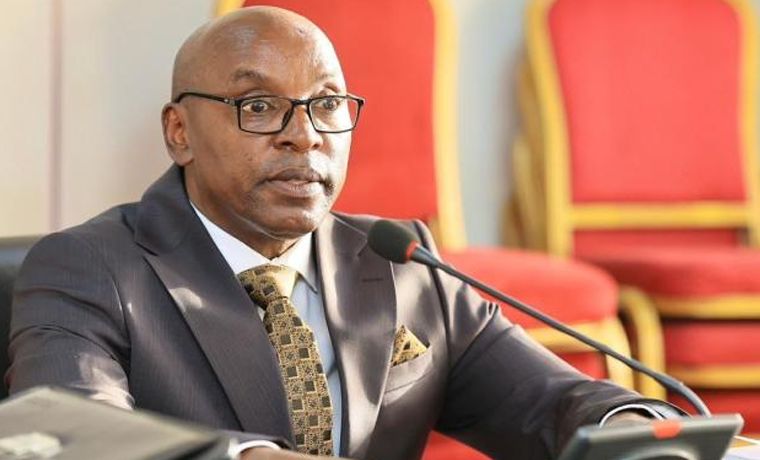
Ugandans living in remote districts, refugee settlements, and underserved communities are set to access justice more easily following the launch of a nationwide mobile courts programme by Chief Justice Flavian Zeija.
The initiative aims to bring court services directly to people who previously struggled to reach conventional court facilities.
The new system allows judges and magistrates to conduct hearings outside traditional courtrooms, in locations ranging from public buildings to vehicles or other temporary venues.
Civil and criminal cases will be heard using the same procedures as in established courts, ensuring fairness while expanding access.
Justice Zeija said mobile courts are part of a broader strategy to modernize the Judiciary and improve efficiency.
Analysts say the initiative could reduce the backlog of cases, particularly in areas where distance, poor infrastructure, or limited resources have hindered timely legal redress.
“The Judiciary is taking a people-centred approach to justice,” said one official. “By reaching communities directly, we hope to improve public confidence and ensure that no one is denied access to the law because of location.”
The rollout aligns with the Judiciary’s Strategic Plan and Transformation Agenda, which emphasises accountability, efficiency, and wider access to services.
It comes as part of efforts to make the court system more responsive to vulnerable populations, including women, children, and marginalized groups.
Under the programme, the Chief Justice will assign judges and magistrates to preside over mobile sessions for defined periods, giving residents the chance to have their disputes resolved without traveling long distances.
Officials say the approach will also allow faster case disposal and provide an opportunity for communities to engage more directly with judicial processes.
Observers say mobile courts could serve as a model for other public services, demonstrating how government institutions can innovate to meet citizens where they are, rather than expecting citizens to come to them.
